The Truth About Building Stronger Bones: Beyond Calcium & Medications
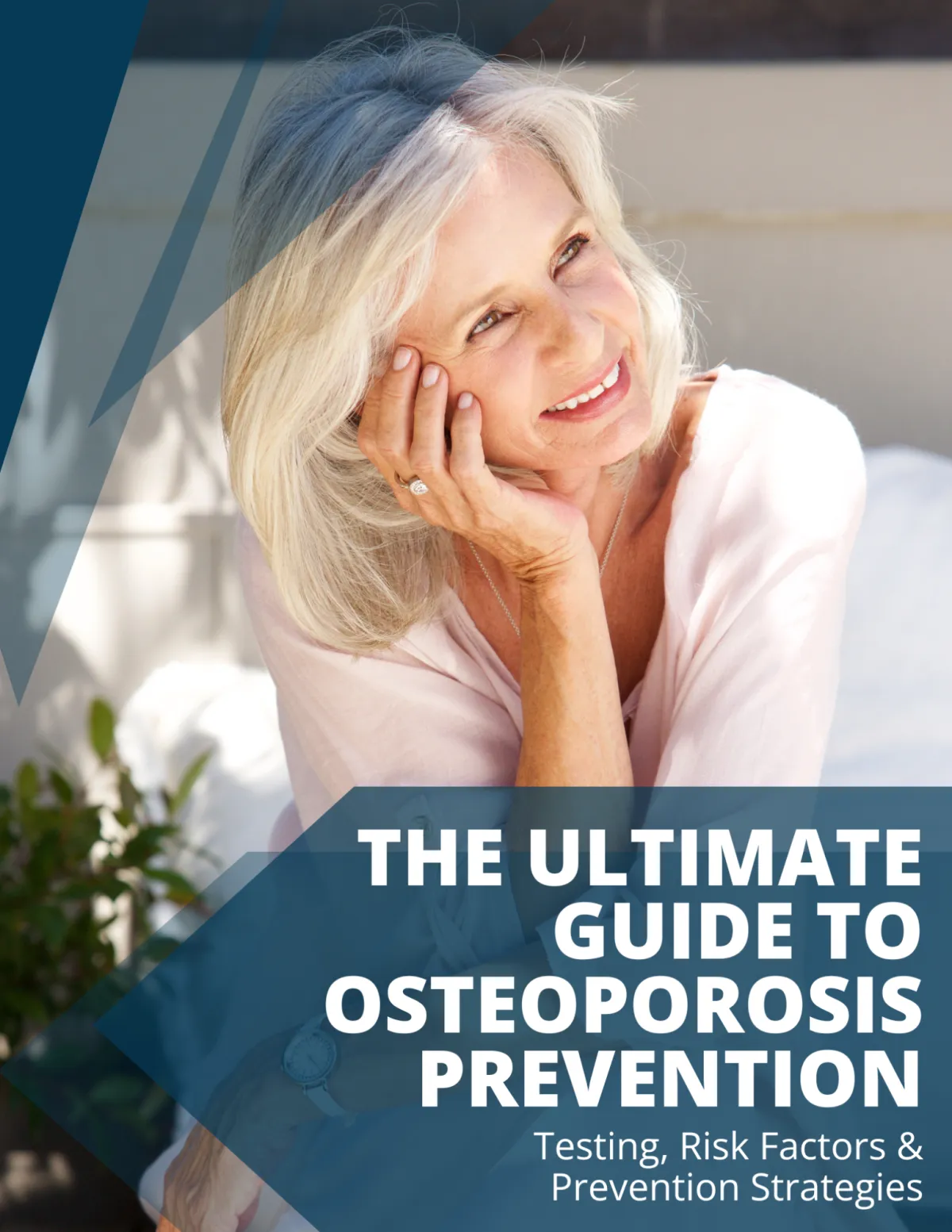
Many women are told that bone loss is "just part of aging" or that calcium supplements and medications are their only options. This common advice misses crucial factors that affect bone health.
This report reveals the often-overlooked aspects of maintaining strong, healthy bones at any age. While some bone loss is common as we age, accelerated bone loss isn't inevitable.
From our 25 years of experience helping patients build stronger bones naturally, we've discovered that true bone health requires a more comprehensive approach than just measuring density numbers or prescribing supplements.
Understanding these factors could be the difference between maintaining your independence and facing life-altering fractures. If you're concerned about your bone health, this information is essential.
WHAT I WISH EVERYONE KNEW ABOUT BONE HEALTH
This Essential Guide Will Show You…

WHY conventional approaches often fail to address the true causes of accelerated bone loss (and what this means for your long-term bone health)
HOW to recognize early warning signs of bone health issues before they become serious
WHAT factors beyond calcium play crucial roles in maintaining strong, healthy bones
WHICH advanced testing methods can provide a complete picture of your bone health and quality
HOW to create a comprehensive bone-building strategy that maintains your independence and active lifestyle
WHAT you need to know about natural approaches to strengthen bones without relying solely on medications
Meet Dr. Suzanne Gosselin, BSN, DC, IFMCP
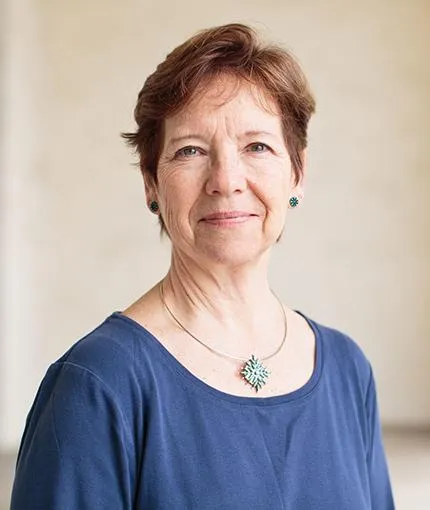
Dr. Gosselin has been in the healthcare field for over forty years.
Her experience spans diverse settings from working in Intensive Care Unit settings in major world-renown metropolitan hospitals to Community Health Nursing in Boston’s inner city to becoming a licensed Chiropractor and CEO of Harbor Health Group.
Dr. Gosselin started her formal education with the Institute of Functional Medicine (IFM) in 1999 and became an Institute of Functional Medicine Certified Practitioner in 2014. She has worked with the Institute serving as a Clinical Facilitator at the Applying Functional Medicine in Clinical Practice programs.
Forever the perpetual student, Dr Gosselin continues to learn and advance her understanding of physical medicine, functional nutrition and stress resilience by attending advanced trainings and conferences on a regular basis. To balance her clinical life, Dr Gosselin spends time in the garden, on the water and serving on various Boards in her community.
Are You Wondering If Something Important Is Being Missed in Your Bone Health Plan?
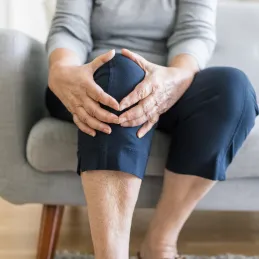
Am I really doing enough to protect my bones or am I just delaying the inevitable?

What if there’s a more comprehensive approach I haven’t been told about?
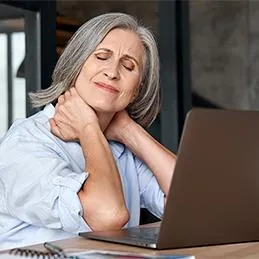
Is my current plan truly personalized or just the same advice everyone gets?
Could my bone loss be linked to hidden imbalances no one’s tested for?
What if I’m missing something critical that could improve my long-term strength & stability?
Should I be exploring integrative options to avoid future medications?
How can I prevent fractures before they happen instead of reacting afterward?
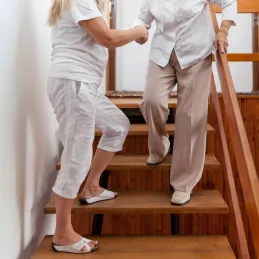
What if one fall changes everything and I lose my ability to live on my own?
HERE'S WHAT MOST PEOPLE DON'T KNOW...
3 Misconceptions About Bone Health

"Bone Loss is Just Part of Aging"
Accelerated bone loss isn't normal or inevitable with age.
Many factors causing bone loss are preventable and treatable through proper nutrition, targeted exercise, and lifestyle modifications. With the right approach, you can build and maintain strong bones at any age. Understanding your unique risk factors and addressing them early can make a significant difference. The key is taking action before a fracture forces you to. Recent advances in bone health science have shown that a comprehensive approach can help slow, stop, and even reverse bone loss in many cases. This is why it's crucial to work with experts who understand the complex factors affecting bone health.

"Medication is the Only Treatment Option"
Lifestyle factors play a crucial role in bone health.
Many natural approaches can help build bone strength, from specific nutrient combinations to targeted exercise programs and stress management techniques. Lifestyle factors play a crucial role in bone health, as everything from sleep quality to stress levels affects bone metabolism and mineral absorption. Most importantly, addressing root causes can prevent further bone loss by identifying and treating underlying conditions like hormonal imbalances, gut health issues, and chronic inflammation. Early intervention and well-designed programs can help you build and maintain strong bones safely and effectively.
"You Can Feel Your Bones Getting Weaker"
Gut issues & stealth infections affect all your hormones!
One of the most dangerous aspects of bone loss is that it's often completely silent until a fracture occurs, earning osteoporosis the title of "the silent disease." Regular bone density testing is crucial for early detection, but standard DEXA scans only tell part of the story - they measure density but not bone quality. Many people don't discover they have weak bones until they experience a fracture, which can be life-altering and severely impact independence. Prevention and early intervention are key, which is why we use advanced REMS scanning technology to evaluate both bone density and quality.